Texas sues OpenAI for deceiving consumers about safety, seeks sweeping reforms and fines https://therecord.media/texas-sues-openai-deceiving-customers
Mastodon Digest
Posts


🚨🇩🇰 University of Copenhagen data breach exposes information belonging to 525,000 people
Hackers gained access to a university test environment containing full names, Danish national identity numbers, work and private telephone numbers, and personal email addresses.
⠀
PIN codes used with the ID cards of around 20,000 staff members and students were also compromised. The university replaced the affected codes and temporarily restricted access to selected critical locations.
⠀
The attack was detected on October 20 and has since been contained. The university says there is no indication that the hackers reached systems supporting daily operations or disrupted its activities.
⠀
The incident has been reported to the Danish Data Protection Agency and other relevant authorities. The university is still investigating the full scope of the breach.
Source: https://news.ku.dk/all_news/2026/10/university-of-copenhagen-hit-by-cyber-attack/


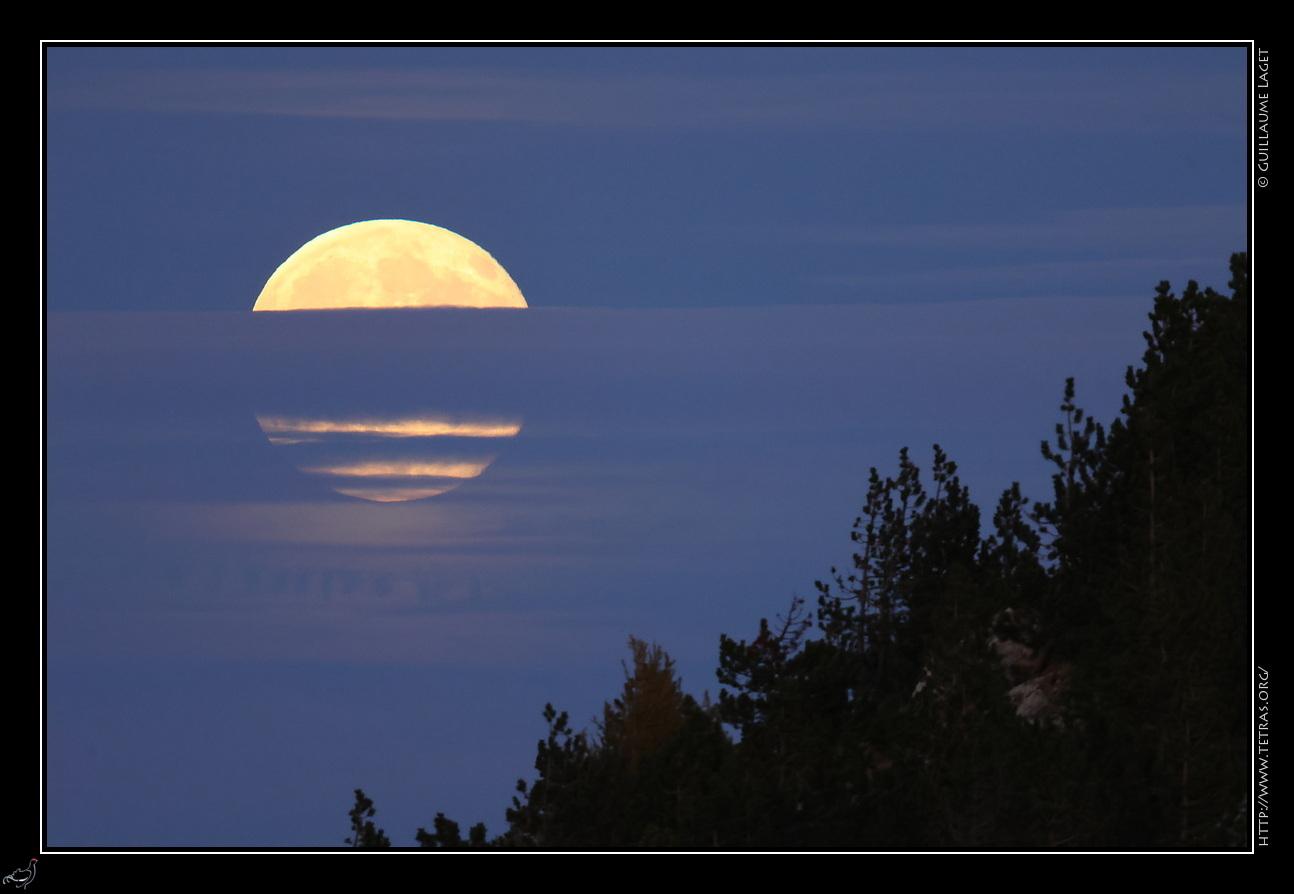
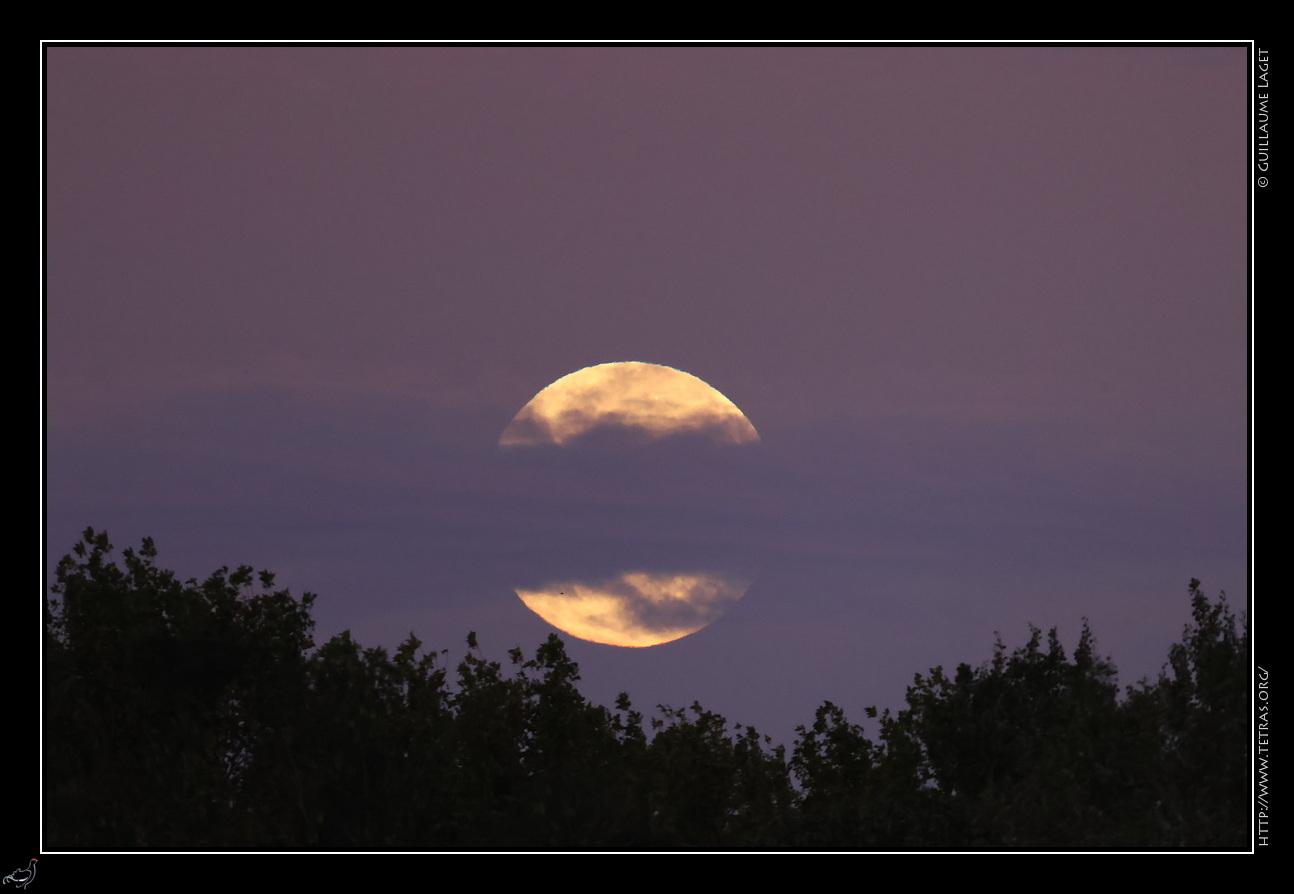
Depuis quelques années, à chaque pleine lune, des médias (surtout en ligne) pour faire du clic, présentent ça comme un phénoméne remarquable en lui accolant un nom sorti de nulle part (j'ai lu "du chasseur", cette fois). Je proposerais bien plutôt : "lune dans les nuages", parce que hier, lever comme coucher, c'était ça, depuis Avignon et depuis le mont Ventoux

RE: https://techhub.social/@Techmeme/117512270378309989
Companies when they get their real Claude bill in three years
Boosts

Someone was watching me lying on the floor.